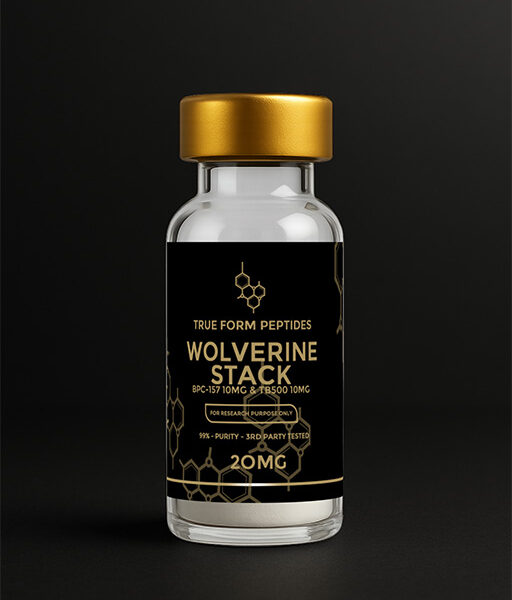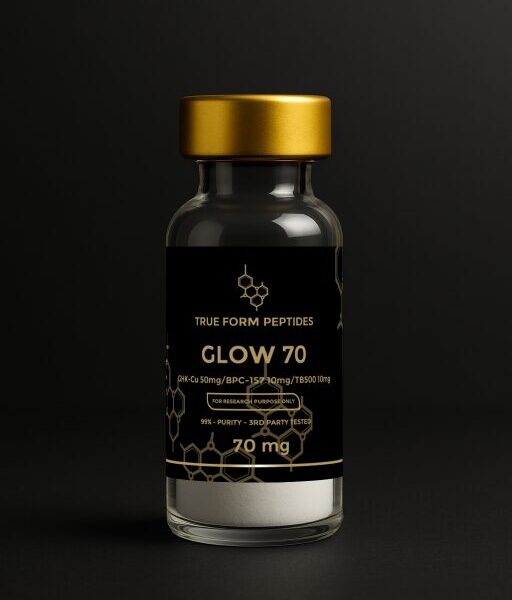
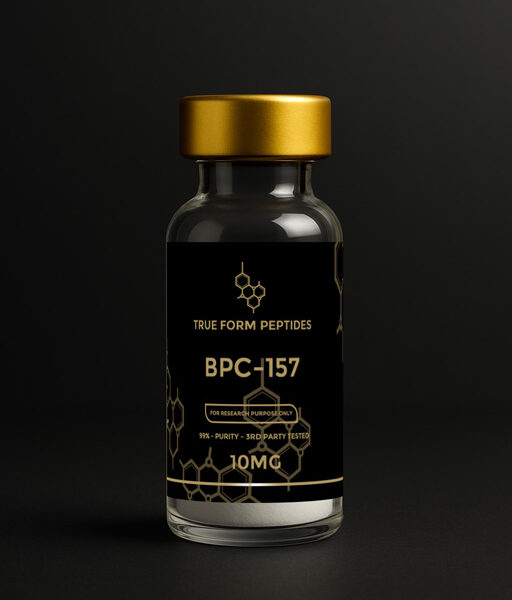

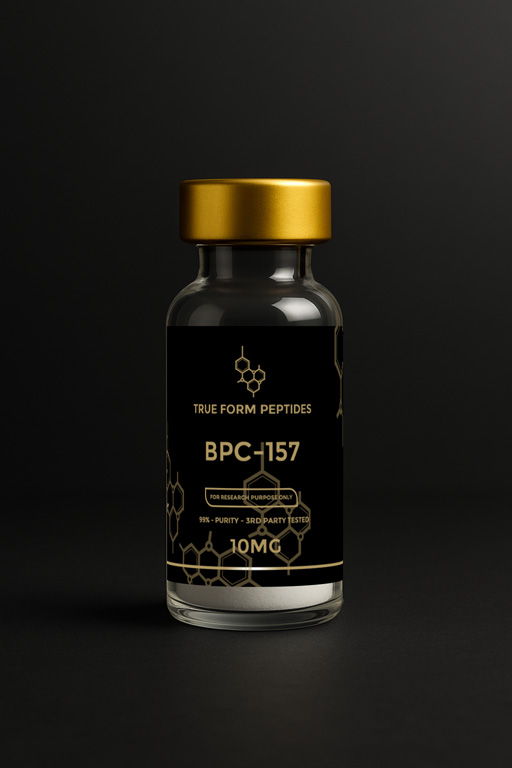
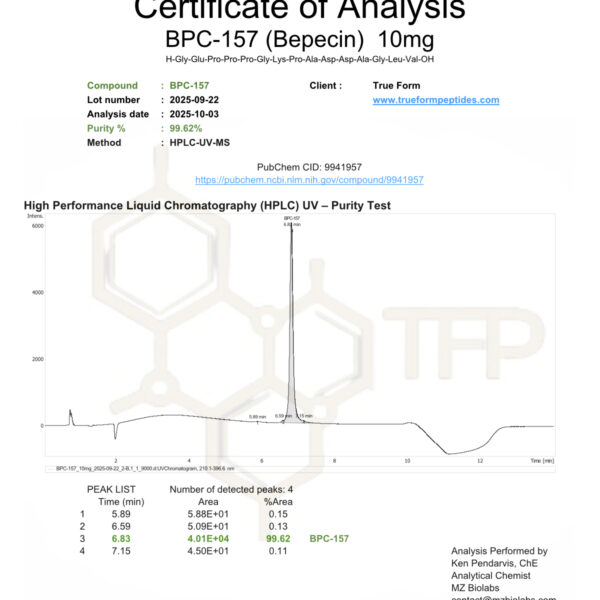
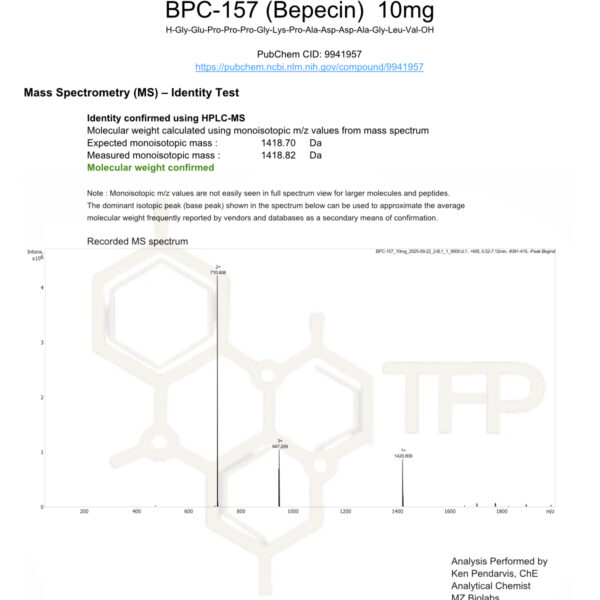
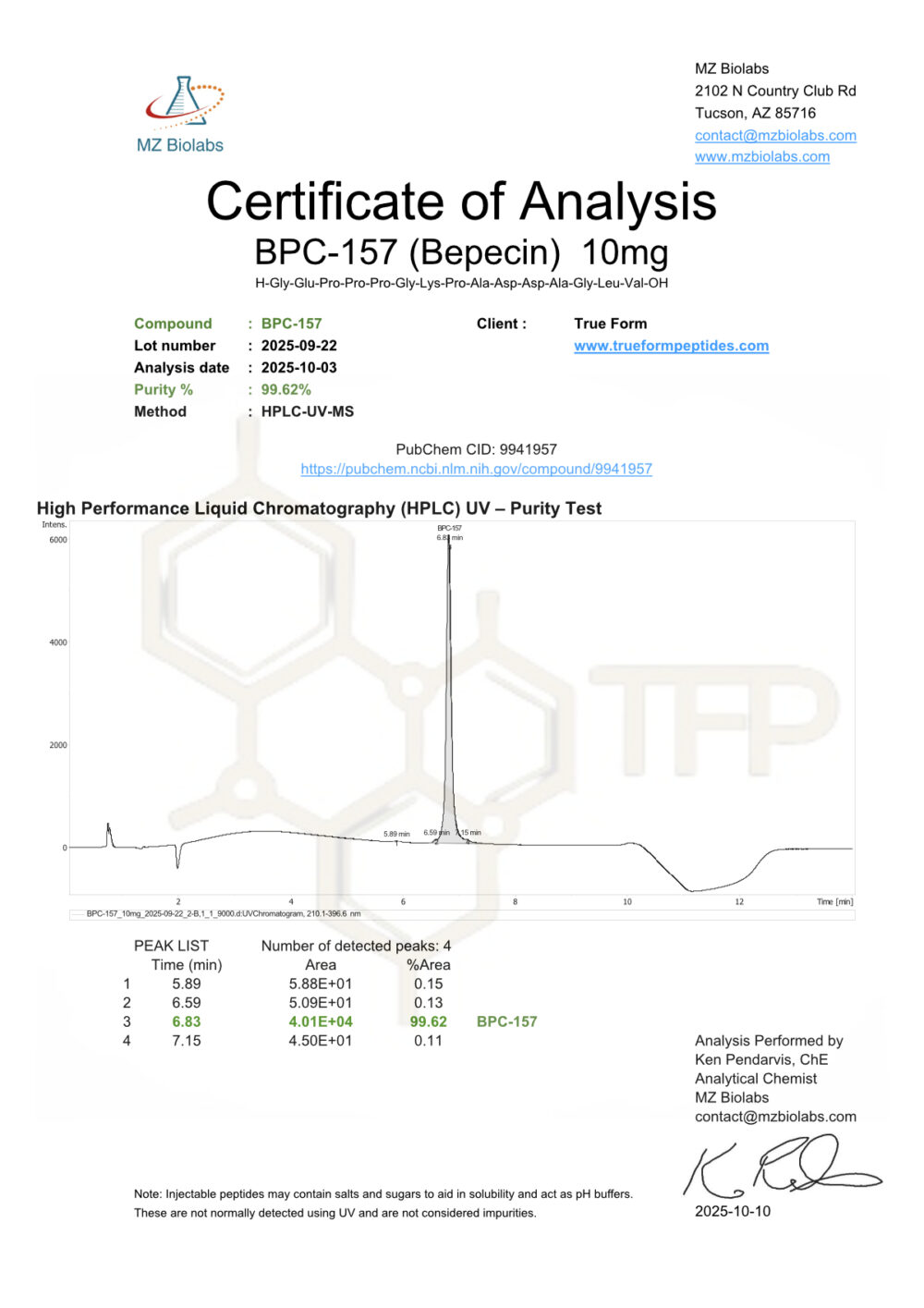
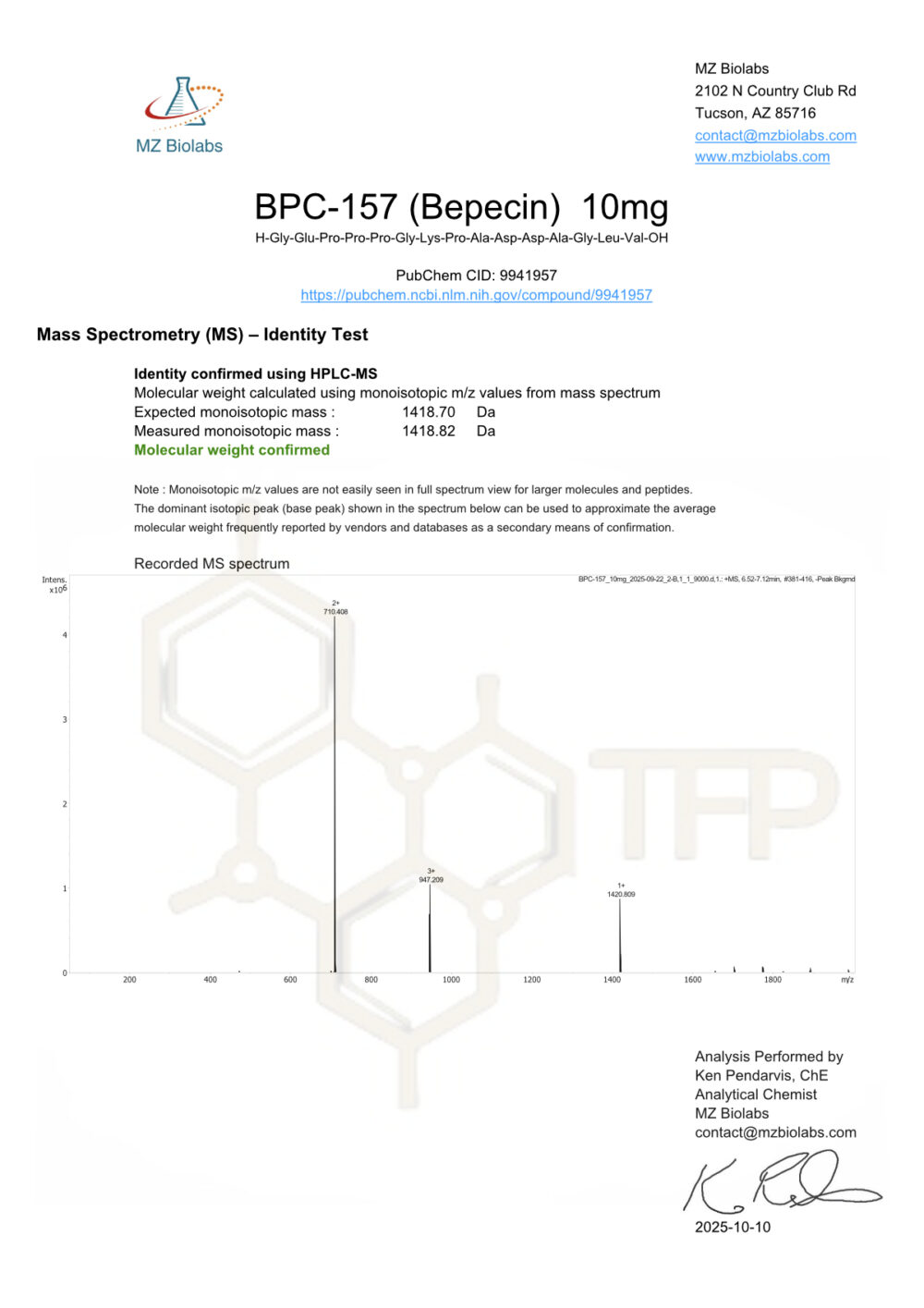
BPC-157 – Pentadecapeptide Research Compound
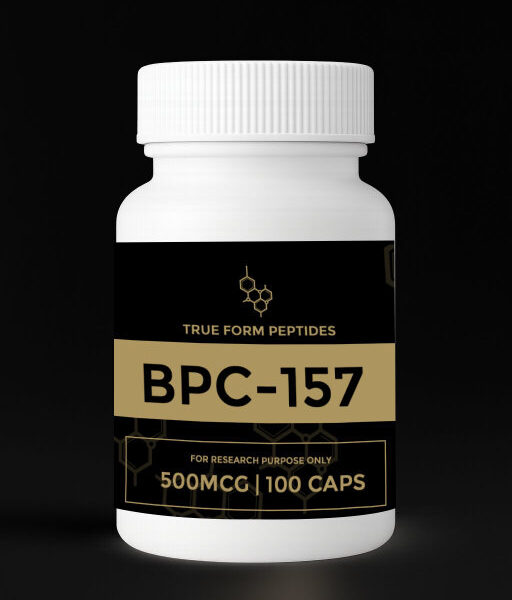
Compound Name: BPC-157 (Body Protection Compound-157)
Classification: Research Peptide – Pentadecapeptide
Description:
BPC-157 is a synthetic pentadecapeptide composed of 15 amino acids and derived from a naturally occurring peptide sequence found in gastric tissue. In controlled laboratory research environments, BPC-157 has been extensively studied for its involvement in peptide-mediated signaling, cellular communication, and regulatory processes associated with tissue integrity and biological repair mechanisms.
Research models frequently examine BPC-157 for its interactions with growth factor pathways, nitric oxide signaling, and cytoprotective mechanisms at the cellular level. Due to its stability and broad biological relevance, BPC-157 is commonly utilized in in-vitro and biochemical studies focused on tissue modeling, angiogenic signaling, and peptide-regulated cellular responses.
In experimental research settings, BPC-157 serves as a valuable tool for exploring molecular pathways related to cellular migration, structural maintenance, and adaptive biological signaling under controlled conditions.
Scientific References:
- Gwyer D, Wragg NM, Wilson SL.,
Cell and Tissue Research, 2019; 377(2):153–159 –
Gastric pentadecapeptide body protection compound BPC 157 and its role in accelerating musculoskeletal soft tissue healing
- Józwiak M, Bauer M, Kamysz W, Kleczkowska P.,
Pharmaceuticals (Basel), 2025; 18(2):185 –
Multifunctionality and possible medical application of the BPC 157 peptide: literature and patent review
- Seiwerth S, Rucman R, Turkovic B, et al.,
Current Pharmaceutical Design, 2018; 24(18):1972–1989 –
BPC 157 and standard angiogenic growth factors: gastrointestinal tract healing and lessons from musculoskeletal tissue models
Disclaimer:
This product is intended for laboratory research use only (RUO).
Not for human consumption. Not for therapeutic, diagnostic, agricultural, or veterinary use.