
Hormone Signaling Research Peptides
This category collects research peptides studied for their activity at the receptors and feedback loops of the endocrine system, with particular emphasis on growth-hormone secretagogue signaling and hypothalamic-pituitary axis regulation in laboratory models. All items are intended for in-vitro and preclinical laboratory research; they are not for human or veterinary use.
Sermorelin (GHRH 1-29) is a growth-hormone-releasing hormone analogue investigated for its binding at the GHRH receptor in pituitary cell models, and Tesamorelin is a stabilised analogue of the same sequence studied in comparable preclinical systems. Ipamorelin is examined as a selective GHS-R1a receptor ligand, and the CJC-1295 and Ipamorelin blend is used in research that pairs an analogue with a secretagogue to observe pulsatile signaling in vitro. Kisspeptin-10 is investigated for its role in KISS1R-mediated regulation of gonadotropin-releasing hormone neurons, while IGF-1 LR3 is studied as a long-arginine variant with reduced binding-protein affinity in cell-culture work. Epitalon rounds out the collection for researchers examining pineal regulatory signaling.
Alongside the secretagogues, the category lists gonadotropin-class and receptor-modulating reference materials used in laboratory studies of steroidogenic feedback. These are stocked purely as characterized reference compounds for bench investigation, and no listing on this site describes preparation, handling or any application involving people or animals.
What researchers study in this category
Published work in this field focuses on receptor binding affinity, downstream cAMP and phosphorylation cascades, the pulsatility of signaling in pituitary and hypothalamic cell lines, and the comparative stability of analogues in plasma-mimicking buffers. Peptides are supplied lyophilized so that a research team can reconstitute them at a concentration appropriate to its own assay design.
Every vial ships from the United States and is manufactured to a minimum 99% HPLC purity specification. Batch certificates of analysis (COAs) are published on many product pages, with chromatograms and mass-spectrometry data that let a laboratory verify identity and purity on receipt. Products sold here are not drugs, have not been approved for any diagnostic or clinical application, and are offered only to researchers working in a controlled laboratory environment.
Showing all 11 results
-

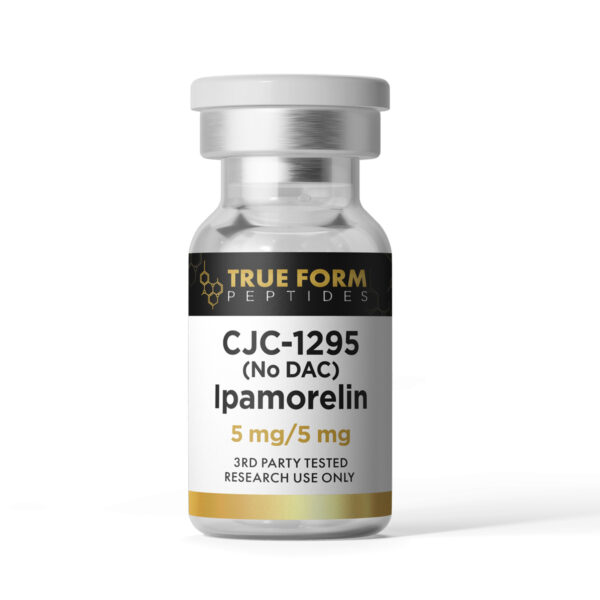
CJC-1295 (No DAC) 5mg, Ipamorelin 5mg (Blend)
$76.98 Add to cart -
16%
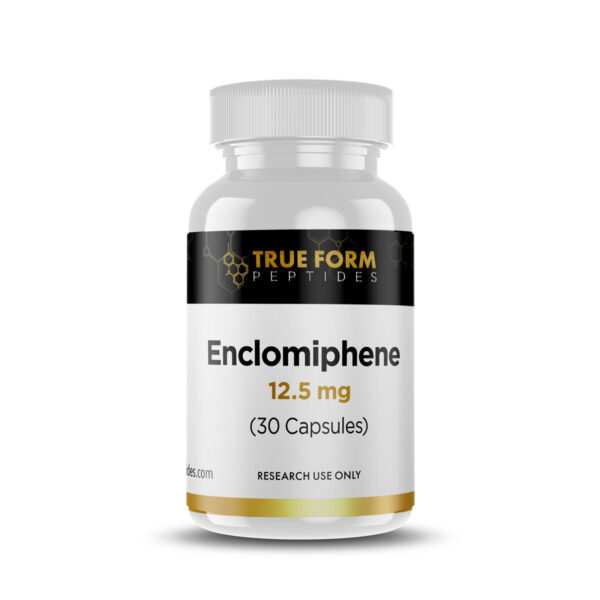
Enclomiphene 12.5mg (30 Capsules)
Original price was: $74.98.$62.98Current price is: $62.98. Add to cart -
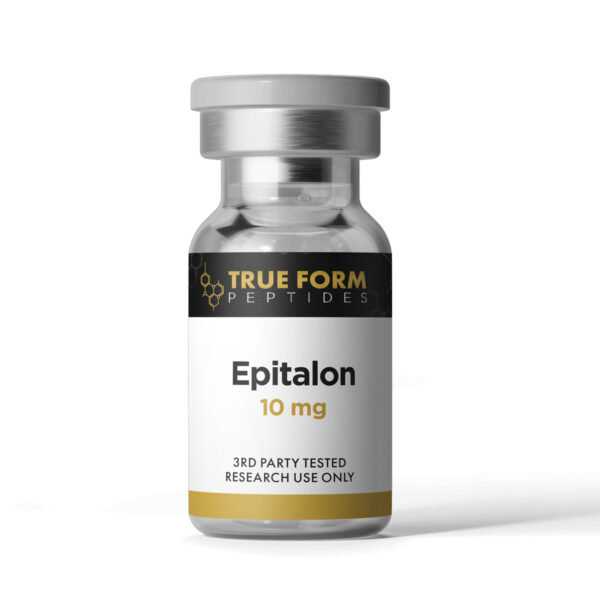
Epitalon 50mg
$168.98 Add to cart -
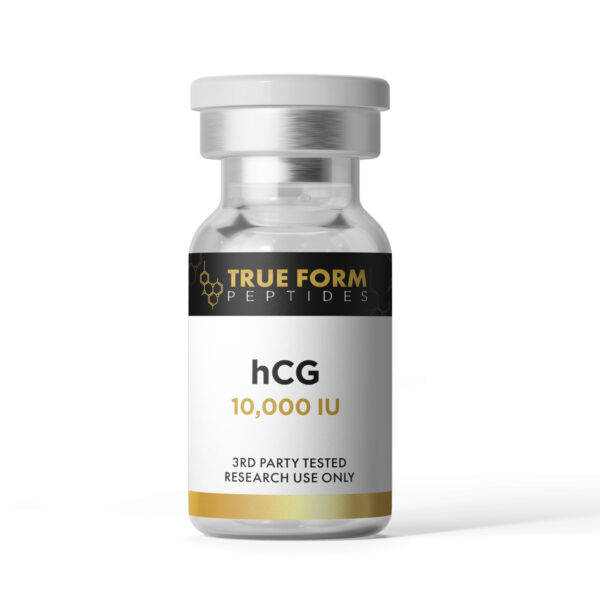
hCG
Price range: $74.98 through $104.98 Select options This product has multiple variants. The options may be chosen on the product page -
HMG 75 IU
$42.98 Add to cart -
IGF-1 LR3 1mg
$119.98 Add to cart -
Ipamorelin 10mg
$69.98 Add to cart -
Kisspeptin-10 10mg
$69.99 Add to cart -
Sermorelin (GHRH 1-29) 10mg
$98.98 Add to cart -
Tesamorelin 10 mg
$89.98 Add to cart -
HGH 100 IU Kit
$450.00 Sold outRead more
Ask about product or Report an issue
Frequently asked questions
Which peptides are studied for their role in hormone signaling?
This category collects sequences investigated for endocrine signaling in preclinical models. Kisspeptin-10 and enclomiphene are studied upstream at the hypothalamic and pituitary level, hCG and HMG are examined at gonadotropin receptors, and sermorelin, tesamorelin, ipamorelin and CJC-1295 are investigated within the growth hormone axis, with IGF-1 LR3 studied downstream of it. All are laboratory research chemicals and are not for human or veterinary use.
How do Tesamorelin and Sermorelin differ?
Both are analogs of growth hormone releasing hormone, but they differ structurally. Sermorelin corresponds to the first 29 amino acids of the native sequence, while tesamorelin is a modified analog carrying a trans-3-hexenoyl group that the literature reports increases resistance to enzymatic breakdown. Researchers compare the two when stability or receptor interaction is the variable being examined in a preclinical model. Both are research materials only.
Where does True Form Peptides ship, and how long does processing take?
True Form Peptides ships within the United States only and does not serve international destinations. Orders typically enter processing within one to two business days, after which tracking is issued for the shipment. Packaging is arranged for transit of sealed lyophilized vials and kit components. Because every listing is supplied as laboratory research material, orders are fulfilled on that basis and no usage guidance accompanies them.
How can I confirm the identity of a hormone-signaling peptide lot?
Match the lot number printed on the vial against the batch certificate of analysis, which is published on many individual product pages. That document pairs high performance liquid chromatography data, reporting purity against the minimum 99% HPLC specification, with mass spectrometry confirming the molecular weight of the stated sequence. Identity verification of this kind is routine laboratory practice for reference material entering a study.