
Cellular Modulation Research Peptides
Our cellular modulation catalog brings together research peptides and small molecules studied for their influence on intracellular signaling, mitochondrial function and gene-expression pathways. Every compound on this page is supplied strictly for laboratory research use only and is not for human or veterinary use.
SS-31 is investigated for its association with cardiolipin on the inner mitochondrial membrane and appears widely in in-vitro work on electron transport efficiency. MOTS-c 10mg, a mitochondrial-derived peptide, is studied in laboratory models of AMPK signaling and cellular energy sensing. Epitalon 50mg is used in cell-culture research into telomerase expression and pineal regulatory pathways, while NAD+ features in redox-balance and sirtuin-dependent enzyme assays. GHK-Cu 50mg is examined as a copper-binding tripeptide that alters gene expression in cultured fibroblast lines, and 5-Amino-1MQ 5mg is investigated for its role as a nicotinamide N-methyltransferase inhibitor in preclinical assay systems.
The category also holds Kisspeptin-10 10mg, L-Glutathione (GSH) 1500mg, Tesamorelin 10mg, Sermorelin (GHRH 1-29), L-Carnitine liquid, the GLOW 70mg and KLOW 80mg blends, and a CJC-1295 no-DAC and Ipamorelin blend. Each is described in the scientific literature by the receptor or enzymatic pathway it engages, and none is characterized here by any physiological outcome.
Purity and documentation
All vials ship from the United States and are produced to a minimum 99% HPLC purity specification. Batch certificates of analysis (COAs) with HPLC chromatograms and mass-spectrometry identity data are published on many individual product pages, allowing principal investigators to confirm peptide identity, molecular weight and purity before an experiment is designed. Lyophilized material is intended for cold storage and is reconstituted at the bench with a suitable laboratory diluent such as bacteriostatic water.
Nothing in this collection is a drug, food, cosmetic or medical device, and no compound listed has been evaluated by any regulatory authority for safety in people. Purchase is restricted to qualified researchers, institutions and laboratory professionals who understand the handling requirements of investigational chemicals. Research into these pathways remains ongoing, and the published record is confined to in-vitro systems and animal models.
Showing all 13 results
-

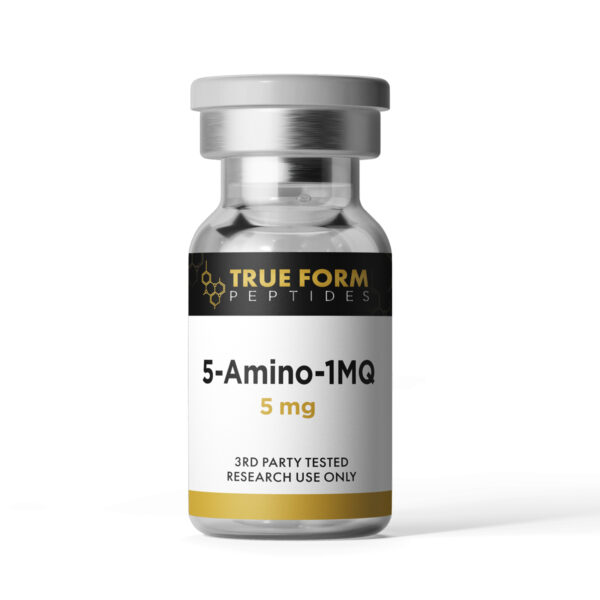
5-Amino-1MQ 5mg
$36.98 Add to cart -
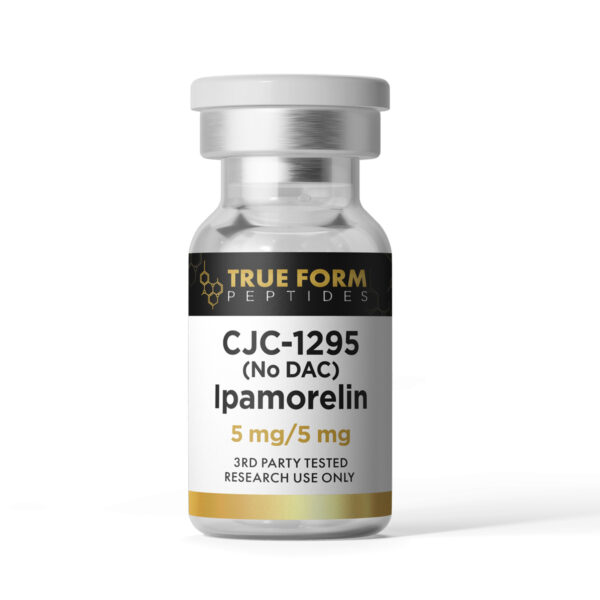
CJC-1295 (No DAC) 5mg, Ipamorelin 5mg (Blend)
$76.98 Add to cart -
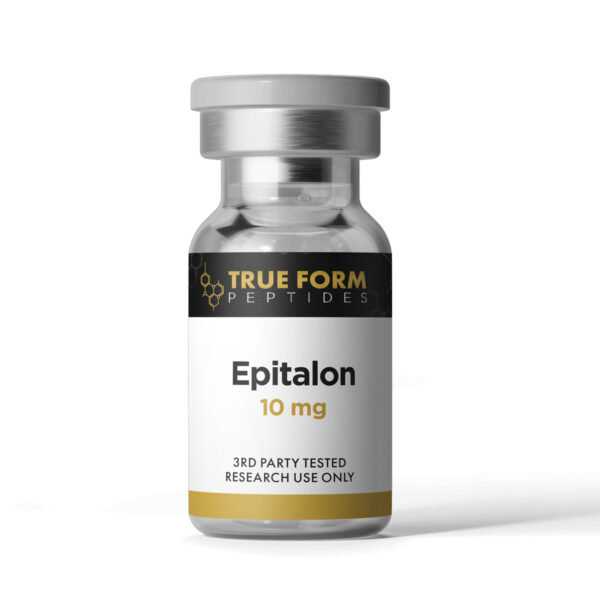
Epitalon 50mg
$168.98 Add to cart -
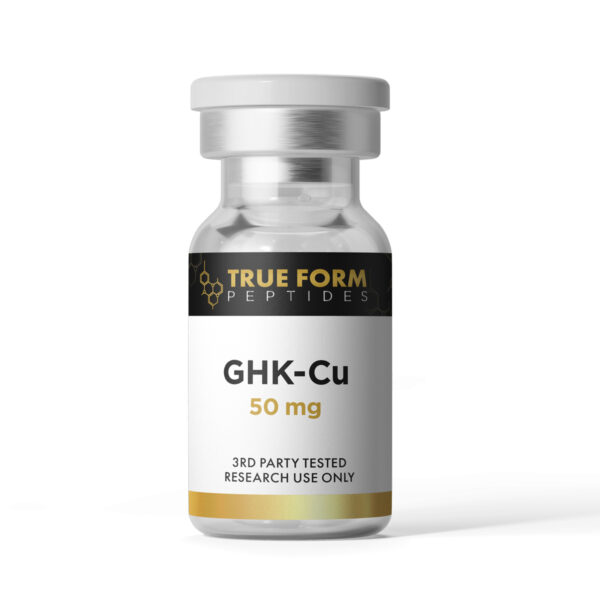
GHK-Cu 50mg
$54.98 Add to cart -
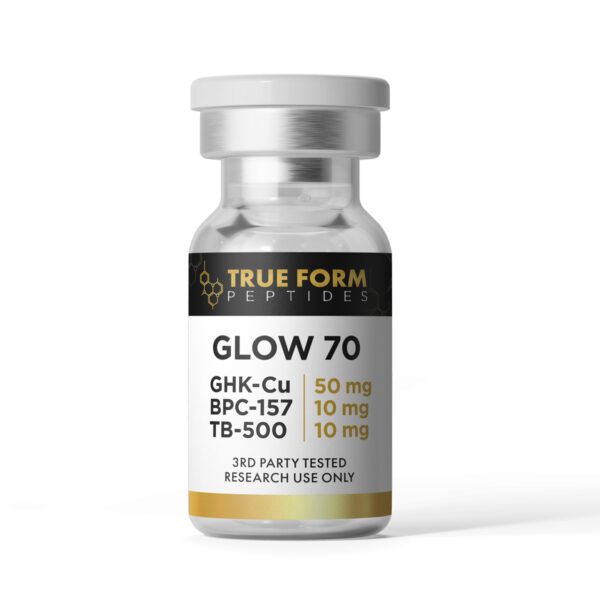
GLOW 70mg (GHK-Cu, BPC-157, TB-500)
$169.98 Add to cart -
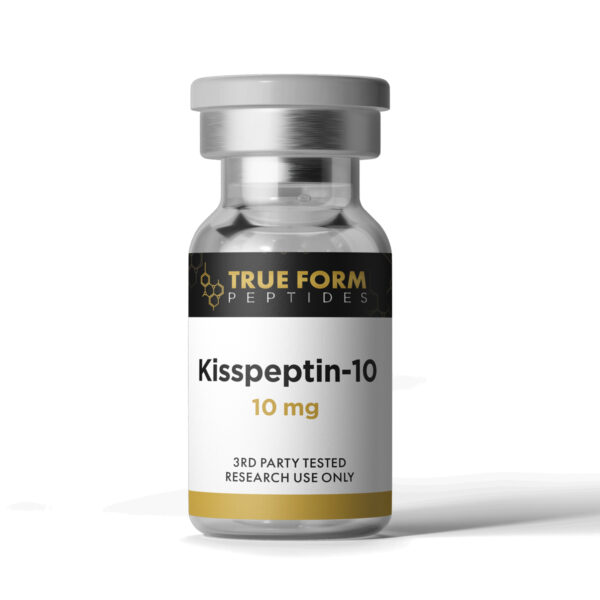
Kisspeptin-10 10mg
$69.99 Add to cart -
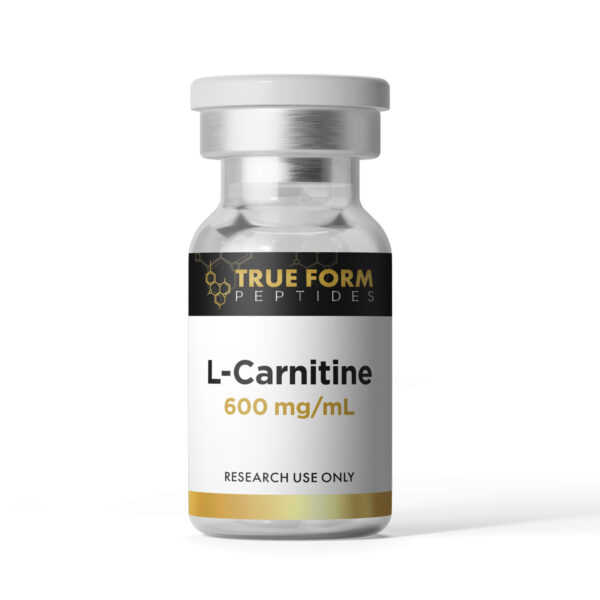
L-Carnitine – 600 mg/mL Liquid (10 mL / 6,000 mg Total)
$49.99 Add to cart -
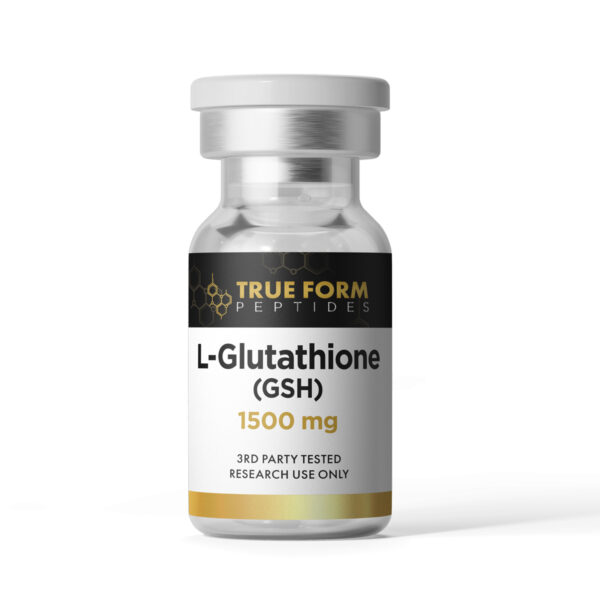
L-Glutathione (GSH) 1500mg
$84.98 Add to cart -
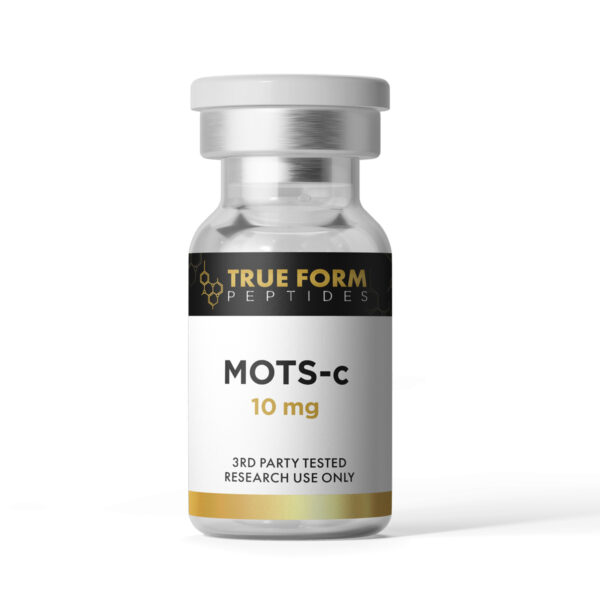
MOTS-c 10mg
$69.98 Add to cart -
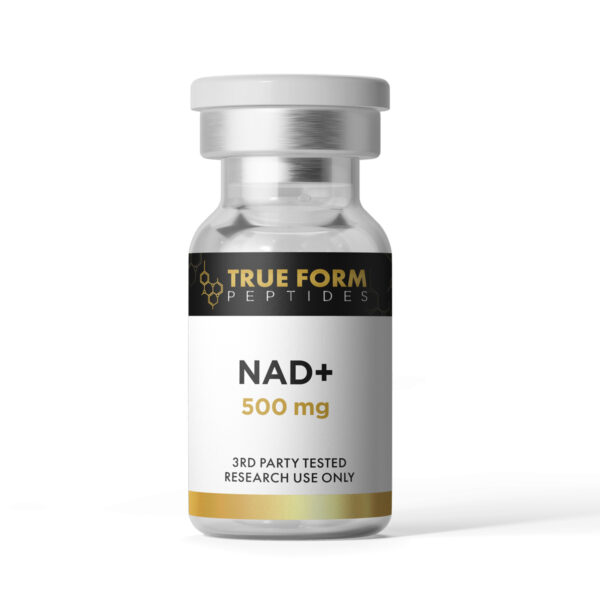
NAD+
$84.98 Select options This product has multiple variants. The options may be chosen on the product page -
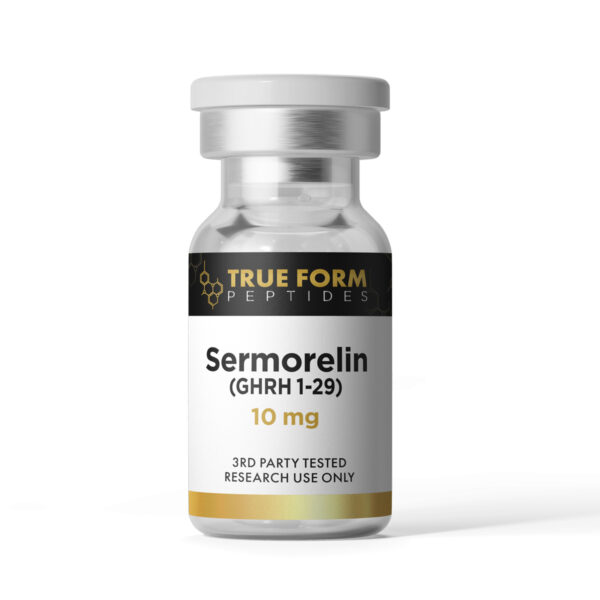
Sermorelin (GHRH 1-29) 10mg
$98.98 Add to cart -
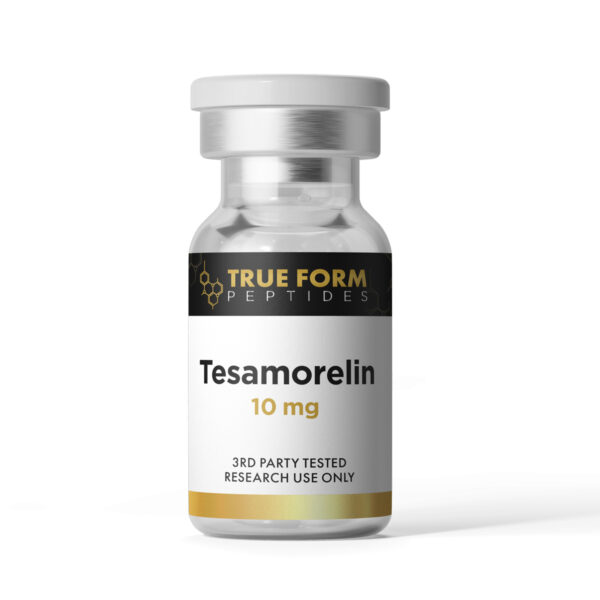
Tesamorelin 10 mg
$89.98 Add to cart -
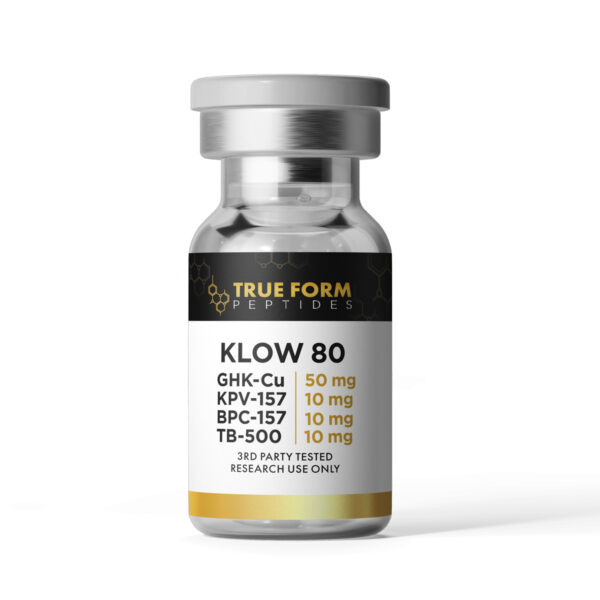
KLOW 80mg (GHK-Cu, KPV, BPC-157, TB-500)
$189.98 Sold outRead more
Ask about product or Report an issue
Frequently asked questions
What do cellular modulation peptides have in common?
These compounds are grouped because the literature studies them at the level of the cell rather than a single organ system. Mitochondrial-associated sequences such as SS-31 and MOTS-c, the antioxidant tripeptide glutathione, the cofactor NAD+ and the copper peptide GHK-Cu have each been investigated for their role in cellular signaling, redox balance and gene expression in preclinical models. Every item here is supplied for laboratory research use only.
How is peptide purity verified before a batch is released?
True Form Peptides supplies material to a minimum 99% HPLC purity specification, and batch certificates of analysis are published on many individual product pages. A typical COA shows the chromatogram and the calculated purity percentage, mass spectrometry data confirming molecular weight, the stated sequence, the lot number and the analysis date. Checking the COA for the specific lot received is standard practice before any laboratory work begins.
How should lyophilized peptides be stored in a laboratory?
General laboratory practice is to keep lyophilized peptide powder sealed in its original vial, shielded from light and moisture, at refrigerated or frozen temperatures depending on the compound and how long it will be held. Repeated warming and cooling of the same vial is normally avoided. True Form Peptides does not provide dosing, reconstitution or administration guidance, because all material is sold for laboratory research only.
What is the difference between Sermorelin and CJC-1295 no-DAC with Ipamorelin?
Sermorelin is a single 29-amino-acid growth hormone releasing hormone analog. The CJC-1295 no-DAC and Ipamorelin listing pairs a GHRH analog with a separate ghrelin receptor ligand in one lyophilized vial. The literature reports that the two classes engage distinct receptors, so a paired vial is studied when an experiment observes combined signaling in a single preclinical model rather than isolating one pathway at a time.