
Metabolic Research Peptides
Metabolic research peptides are studied for their interaction with the receptors and enzymes that govern nutrient sensing, mitochondrial substrate handling and incretin signaling. Everything listed in this category is supplied for laboratory research use only and is not for human or veterinary use.
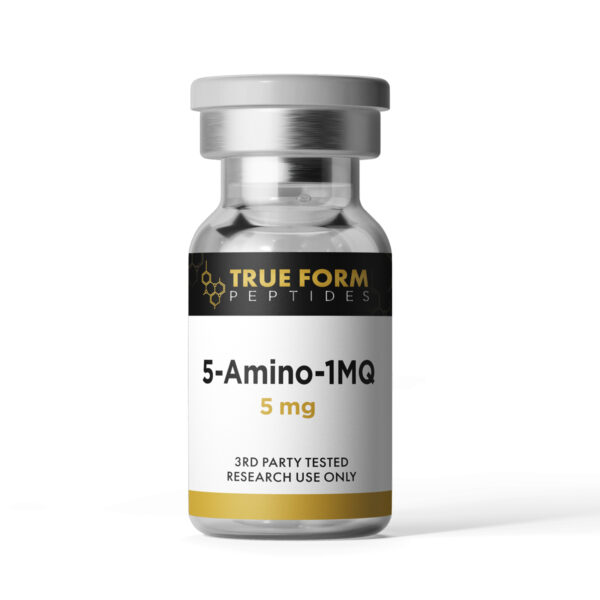
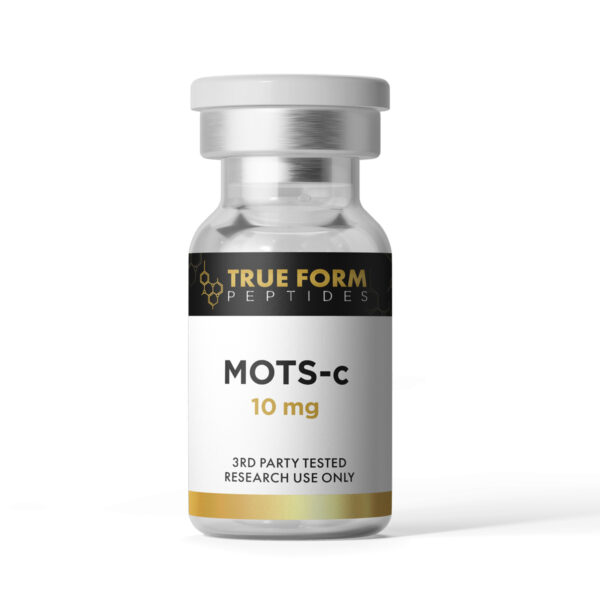
Three GLP-1 receptor agonist research peptides are stocked here for investigators examining incretin receptor pharmacology in cell-based and preclinical systems, and they are listed by research designation only. Alongside them, 5-Amino-1MQ 5mg is investigated for its role in inhibiting nicotinamide N-methyltransferase in adipocyte culture models, and MOTS-c 10mg is studied as a mitochondrial-derived peptide acting on AMPK-linked energy-sensing pathways. SS-31 is examined for its affinity for cardiolipin and its influence on mitochondrial respiration in isolated preparations.
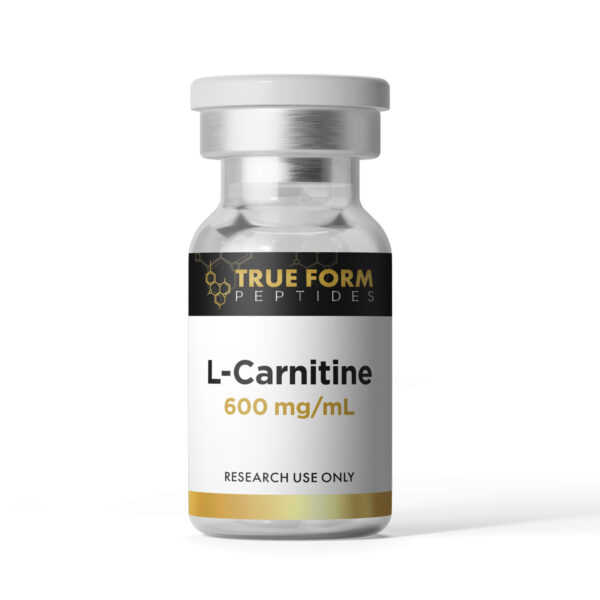
L-Carnitine liquid appears in laboratory work on fatty-acid transport across the mitochondrial membrane, and the KLOW 80mg blend is used by researchers who wish to study several peptide sequences within a single experimental preparation. As with the rest of our catalog, these are characterized chemicals for bench science, described only by the pathways they engage in published in-vitro and animal research.
Purity, sourcing and documentation
All metabolic research compounds ship from the United States and are manufactured to a minimum 99% HPLC purity specification. Batch certificates of analysis (COAs) covering HPLC purity and mass-spectrometry identity are published on many individual product pages, so laboratories can verify what they have received before beginning an assay. Material is supplied lyophilized or in solution as indicated on each listing, with storage guidance written for laboratory conditions.
Research into metabolic signaling is active and changes quickly, and the evidence base remains confined to in-vitro systems and animal models. Nothing offered here is a drug, dietary supplement or medical device, no product has been reviewed by a regulatory authority for safety in people, and orders are accepted only from qualified research professionals and institutions.
Showing all 7 results
-

5-Amino-1MQ 5mg
$36.98 Add to cart -
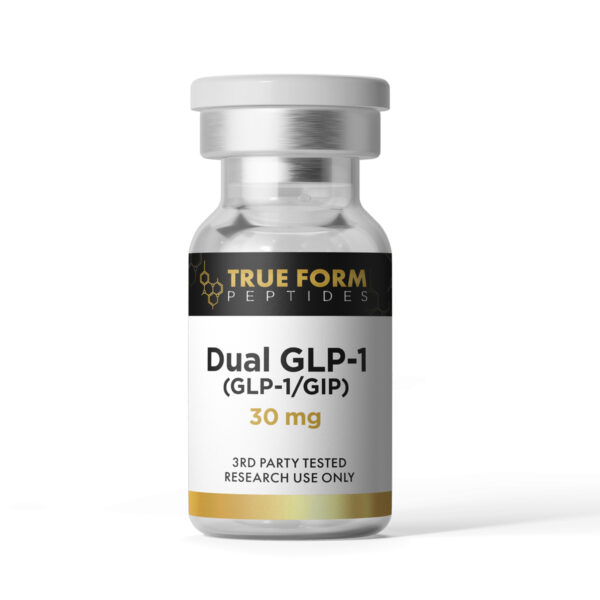
Dual GLP-1 / GIP Receptor Agonist (CAS 2023788-19-2)
Price range: $129.98 through $789.99 Select options This product has multiple variants. The options may be chosen on the product page -
L-Carnitine – 600 mg/mL Liquid (10 mL / 6,000 mg Total)
$49.99 Add to cart -
MOTS-c 10mg
$69.98 Add to cart -
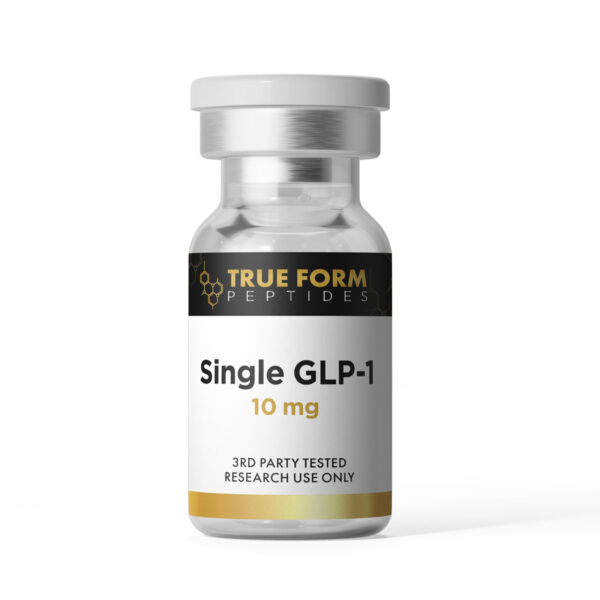
Single GLP-1 Receptor Agonist (CAS 910463-68-2) – 10mg
$119.98 Add to cart -
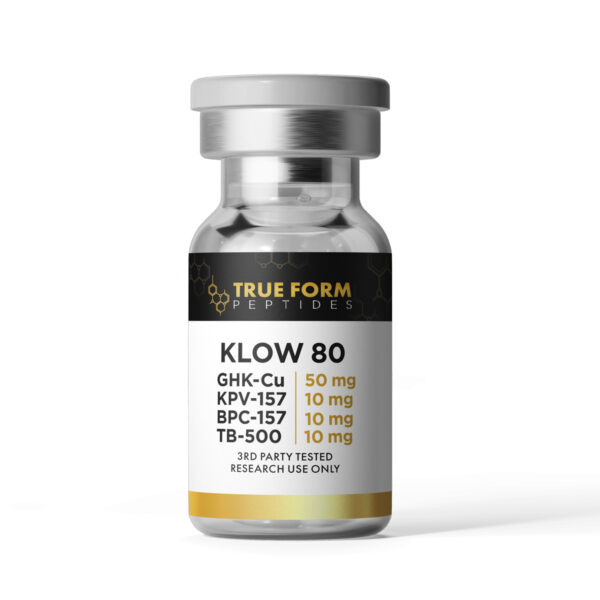
KLOW 80mg (GHK-Cu, KPV, BPC-157, TB-500)
$189.98 Sold outRead more
Ask about product or Report an issue
Frequently asked questions
What pathways do metabolic research peptides act on?
Compounds in this category are investigated for their interaction with metabolic and mitochondrial signaling in preclinical models. SS-31 and MOTS-c are studied in relation to mitochondrial membranes and mitochondrial-derived signaling, 5-Amino-1MQ is investigated as an inhibitor of the enzyme NNMT, the GLP-1 receptor agonist research peptides are studied at the incretin receptor, and L-Carnitine is examined in fatty acid transport. All are laboratory research chemicals.
What are the GLP-1 receptor agonist research peptides listed in this category?
True Form Peptides lists three GLP-1 receptor agonist research peptides here. They are described only by receptor class because they are supplied as laboratory reference material, not as finished products, and are not for human or veterinary use. The incretin receptor family they act on has been investigated in preclinical models of glucose signaling. Each lot is supplied to a minimum 99% HPLC purity specification.
Why is KLOW sold as a blend rather than as separate peptides?
KLOW 80mg combines four frequently studied sequences in one lyophilized vial so a laboratory works from a fixed, consistent ratio across a series of experiments. A single vial reduces handling steps and removes the variability introduced when several materials are combined in-house. Where a study needs to isolate one pathway, the individual peptides are the better choice. Blends are supplied for laboratory research use only.
Do you provide reconstitution instructions for these research peptides?
No. True Form Peptides does not provide dosing, reconstitution or administration guidance for any product, because everything sold is laboratory research material and is not for human or veterinary use. What is published instead is compositional information: the peptide identity, the vial content in milligrams, a minimum 99% HPLC purity specification and, on many individual product pages, the batch certificate of analysis for that lot.