
Structural Pathway Research Peptides
This category groups peptides investigated in laboratory models of extracellular matrix organization, angiogenic signaling and cytoskeletal dynamics. Each product is a research chemical intended for in-vitro and preclinical study only, and is not for human or veterinary use.
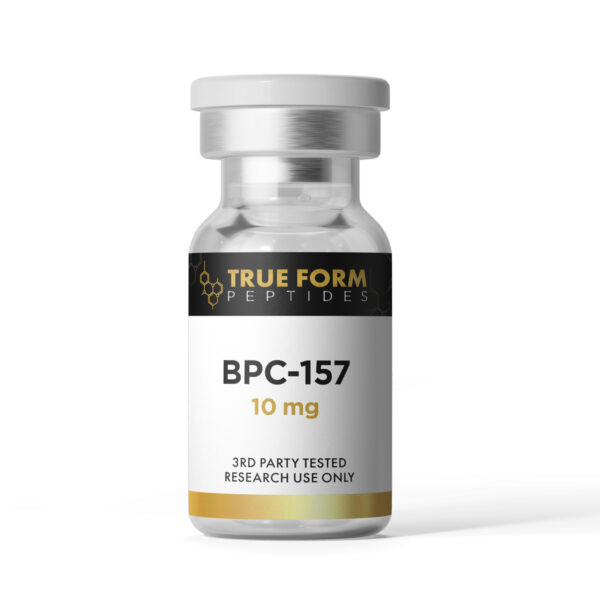
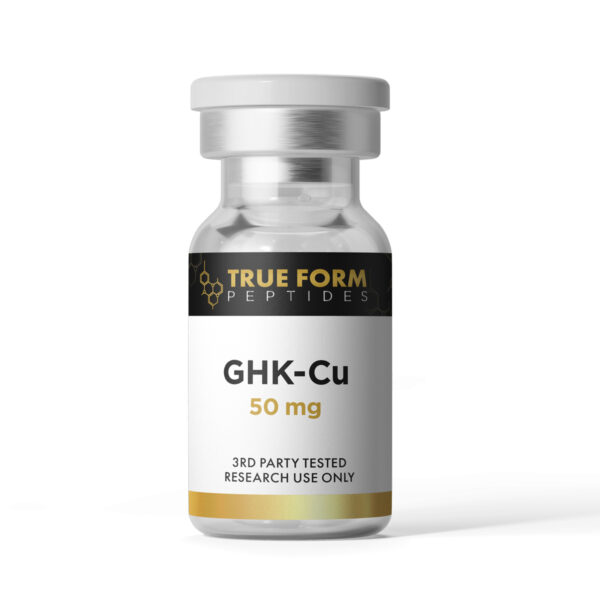
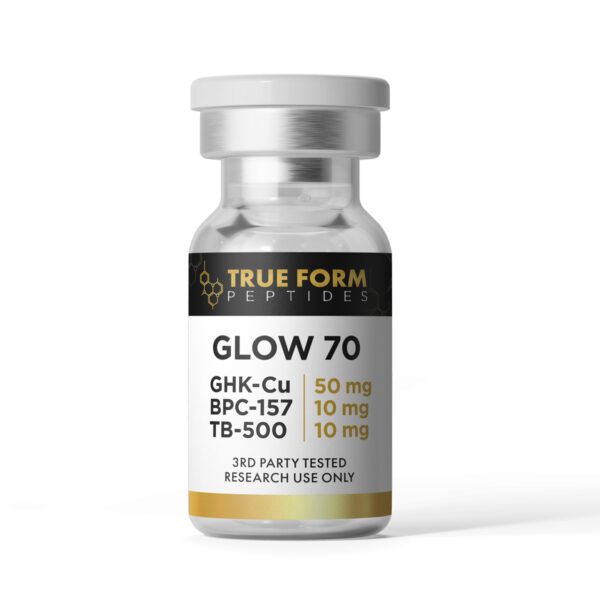
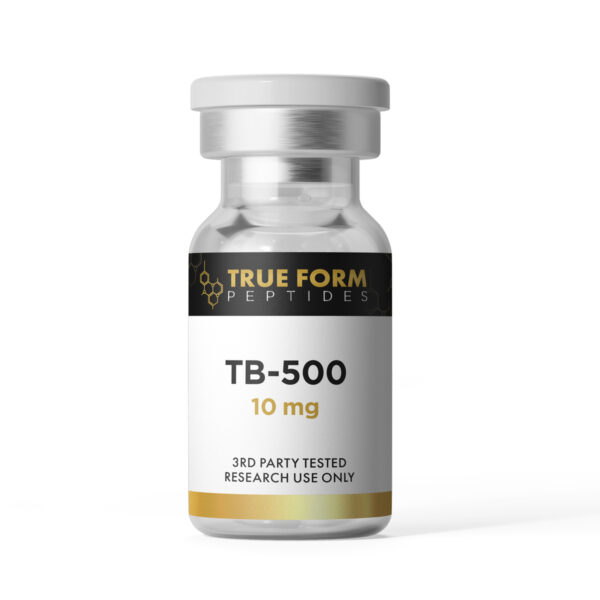
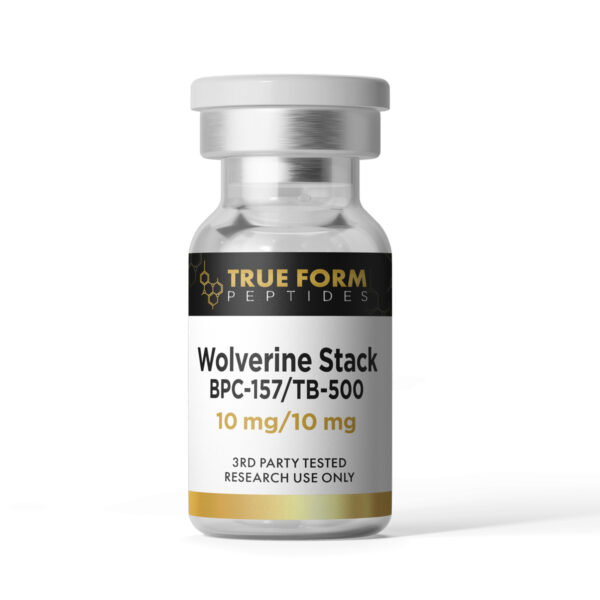
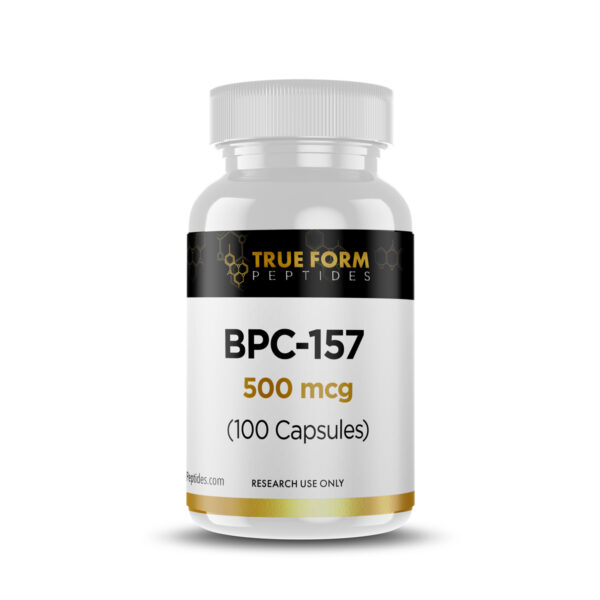
BPC-157 10mg, a synthetic pentadecapeptide derived from a gastric protein sequence, is studied for its effect on fibroblast migration and VEGFR2 signaling in cultured cells, and BPC-157 500mcg capsules present the same sequence in an alternative research format. TB-500 10mg is an actin-binding thymosin beta-4 fragment investigated for its role in cytoskeletal assembly and cell motility assays. The Wolverine Stack pairs both sequences for laboratories designing comparative work, while GHK-Cu 50mg is examined as a copper-binding tripeptide that modulates collagen and metalloproteinase gene expression in fibroblast culture. The GLOW 70mg blend combines several of these sequences in a single research preparation.
What researchers study in this category
Published investigation in this area centers on binding mechanisms rather than outcomes: nitric-oxide and growth-factor pathway crosstalk, actin sequestration, matrix protein transcription and endothelial tube formation in vitro. Because every one of those endpoints is measured in cell culture or in an animal model, no listing on this site extrapolates the work beyond the laboratory bench.
Each peptide in this collection ships from the United States and is produced to a minimum 99% HPLC purity specification, since impurity profiles and sequence fidelity bear directly on reproducibility. Batch certificates of analysis (COAs) with chromatograms and mass-spectrometry identity data are published on many product pages, allowing an investigator to confirm molecular weight and purity before an assay is run.
Vials are supplied lyophilized for cold storage and are reconstituted in the laboratory with a suitable sterile diluent. These compounds are not drugs, have not been approved for any clinical purpose, and are made available solely to qualified researchers and institutions conducting controlled experimental work.
Showing all 6 results
-

BPC-157 10mg
$64.98 Add to cart -
GHK-Cu 50mg
$54.98 Add to cart -
GLOW 70mg (GHK-Cu, BPC-157, TB-500)
$169.98 Add to cart -
TB-500 (Thymosin Beta-4) 10 mg
$89.98 Add to cart -
Wolverine Stack (BPC-157 10mg + TB-500 10mg Blend)
$129.98 Add to cart -
BPC 157 500mcg (100 Capsules)
$164.98 Sold outRead more
Ask about product or Report an issue
Frequently asked questions
What are structural pathway peptides studied for?
This category groups sequences the literature investigates in connection with extracellular matrix and structural tissue biology in preclinical models. BPC-157 is a synthetic pentadecapeptide derived from a gastric protein sequence, TB-500 relates to the actin-binding protein thymosin beta-4, and GHK-Cu is a copper-binding tripeptide investigated for its role in collagen-associated gene expression. Every item in this category is supplied for laboratory research use only.
What is the difference between BPC-157 capsules and the 10mg vial?
The two formats differ in physical presentation rather than in the peptide sequence. The 500mcg capsules are a solid encapsulated laboratory preparation, while the 10mg listing is lyophilized BPC-157 powder in a sealed vial. Researchers select whichever format suits their model and their equipment. Both are supplied to the same minimum 99% HPLC purity specification, and neither is intended for human or veterinary use.
Why is the Wolverine Stack sold as a combination?
The Wolverine Stack pairs BPC-157 and TB-500, two sequences the literature frequently examines alongside each other, so a laboratory receives a matched set with a fixed quantity of each in one purchase. Combination listings suit comparative work where both compounds appear in the same preclinical model. Where a single variable is being isolated, the separate BPC-157 and TB-500 vials remain the appropriate option.
What is the difference between GLOW 70mg and KLOW 80mg?
GLOW 70mg is a three-component blend built around GHK-Cu, BPC-157 and TB-500. KLOW 80mg contains those same three sequences plus KPV, a tripeptide fragment studied in inflammatory signaling, at a higher total milligram content per vial. Laboratories choose between them depending on whether the KPV component is relevant to the preclinical model under study. Both are supplied as lyophilized research material only.