
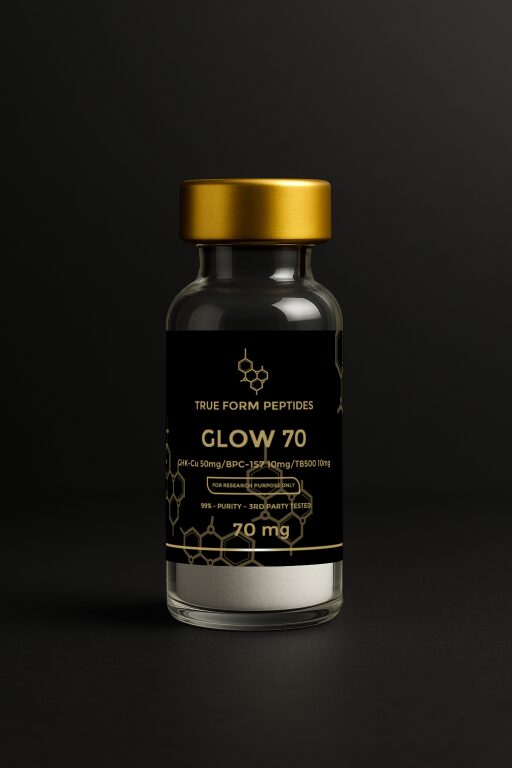
Compound Name: Glow Blend Research Peptide Stack
Classification: Research Peptides – Multi-Component Peptide Combination
Description:
The Glow Blend is a multi-peptide research stack composed of a copper-binding peptide, a pentadecapeptide, and a thymosin-derived peptide fragment. This combination is commonly examined in laboratory research environments for its relevance to cellular signaling, tissue-associated biochemical pathways, and peptide-mediated regulatory mechanisms.
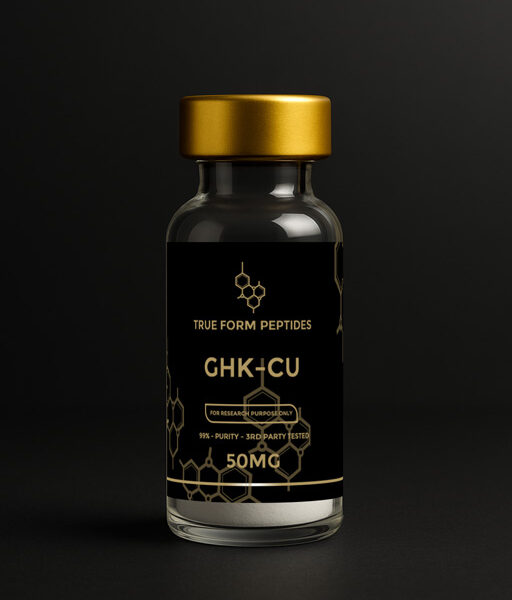
GHK-Cu (Copper Tripeptide) is a copper-binding peptide complex formed by the tripeptide glycyl-L-histidyl-L-lysine (GHK) coordinated with a divalent copper ion. In biochemical and cellular research, GHK-Cu is widely studied for its role in peptide–metal interactions, extracellular matrix signaling, copper-dependent molecular regulation, and cellular communication pathways.
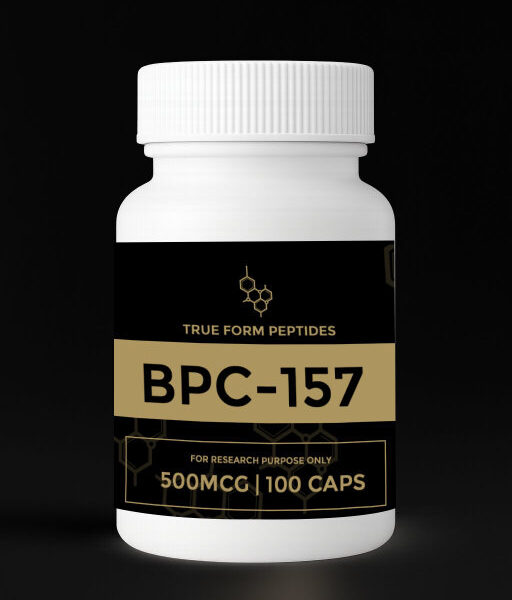
BPC-157 is a synthetic pentadecapeptide originally derived from a naturally occurring gastric protein sequence. In controlled research environments, it is studied for its involvement in receptor-mediated signaling, peptide-regulated cellular activity, and tissue-focused biochemical models.
TB-500 is a synthetic fragment of thymosin beta-4, a naturally occurring intracellular protein associated with cytoskeletal dynamics. In laboratory research settings, TB-500 is commonly examined in studies involving cell migration signaling, intracellular organization, and peptide-mediated regulatory pathways.
When combined, these peptides are frequently explored in advanced in-vitro and biochemical model systems to better understand coordinated peptide signaling, multi-pathway cellular regulation, and molecular interactions related to tissue-associated research models.
This compound is supplied in lyophilized (freeze-dried) powder form to support stability and consistency in controlled laboratory research applications.
Scientific References:
-
- Gwyer D, Wragg NM, Wilson SL.,
Cell and Tissue Research, 2019; 377(2):153–159 –
Gastric pentadecapeptide body protection compound BPC 157 and its role in musculoskeletal tissue models
- Bock-Marquette I, Maar K, Maar S, Lippai B, Faskerti G, Gallyas F Jr, Olson EN, Srivastava D.,
International Immunopharmacology, 2023; 116:109741 –
Thymosin beta-4 and peptide-mediated cellular signaling pathways
- Dou Y, Lee A, Zhu L, Morton J, Ladiges W.,
Aging Pathobiology and Therapeutics, 2020; 2(1):58–61 –
The potential of GHK as a modulator of cellular signaling pathways
- Gwyer D, Wragg NM, Wilson SL.,
Disclaimer:
For Laboratory Research Use Only (RUO).
Not for human consumption. Not for therapeutic, diagnostic, agricultural, or veterinary use.