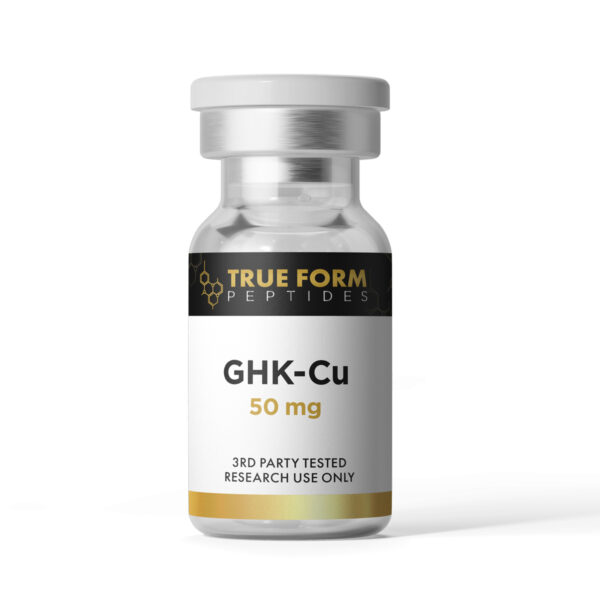
GHK-Cu – Copper Tripeptide Research Compound
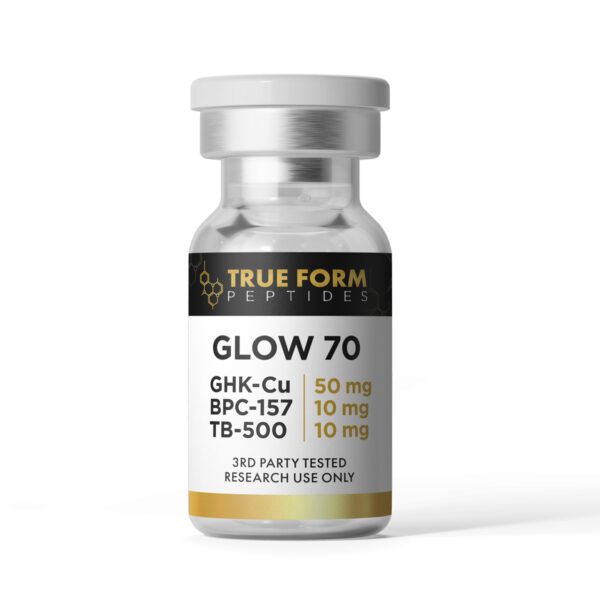
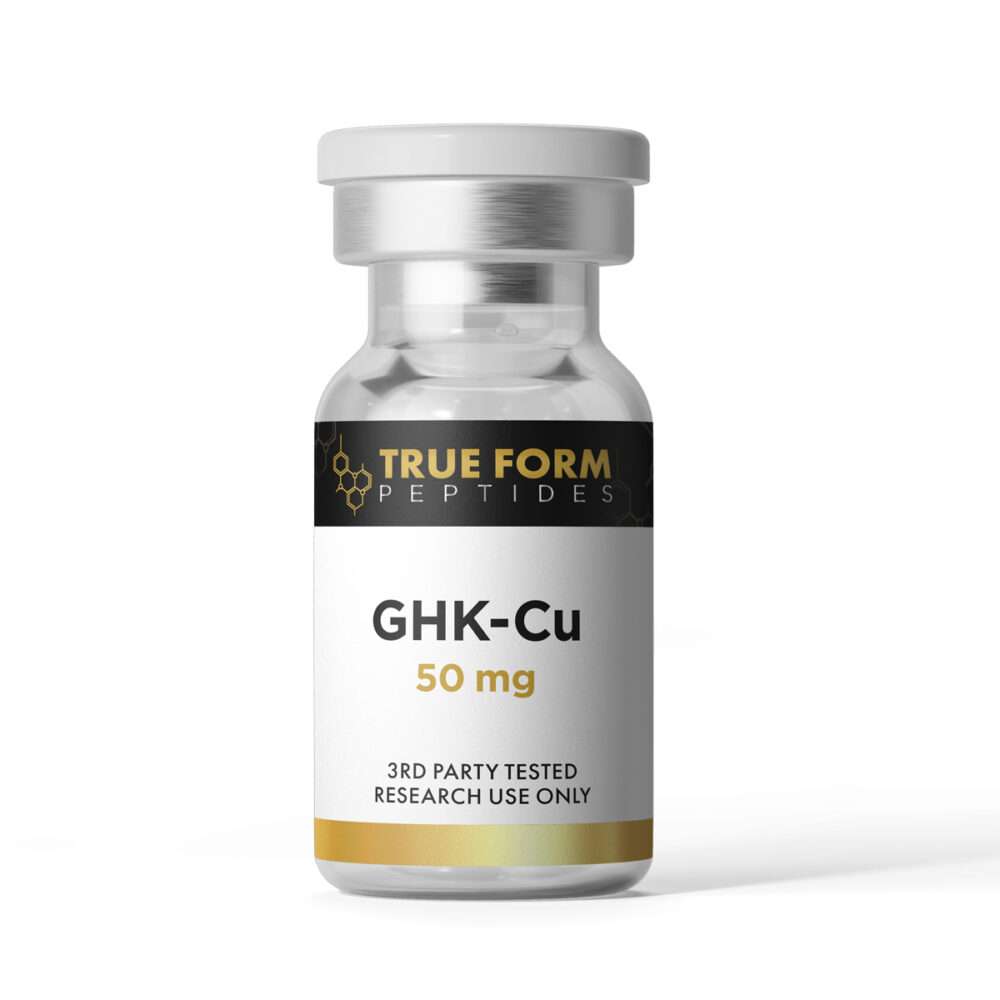
Compound Name: GHK-Cu (Copper Tripeptide)
Classification: Research Peptide – Copper-Binding Tripeptide Complex
Description:
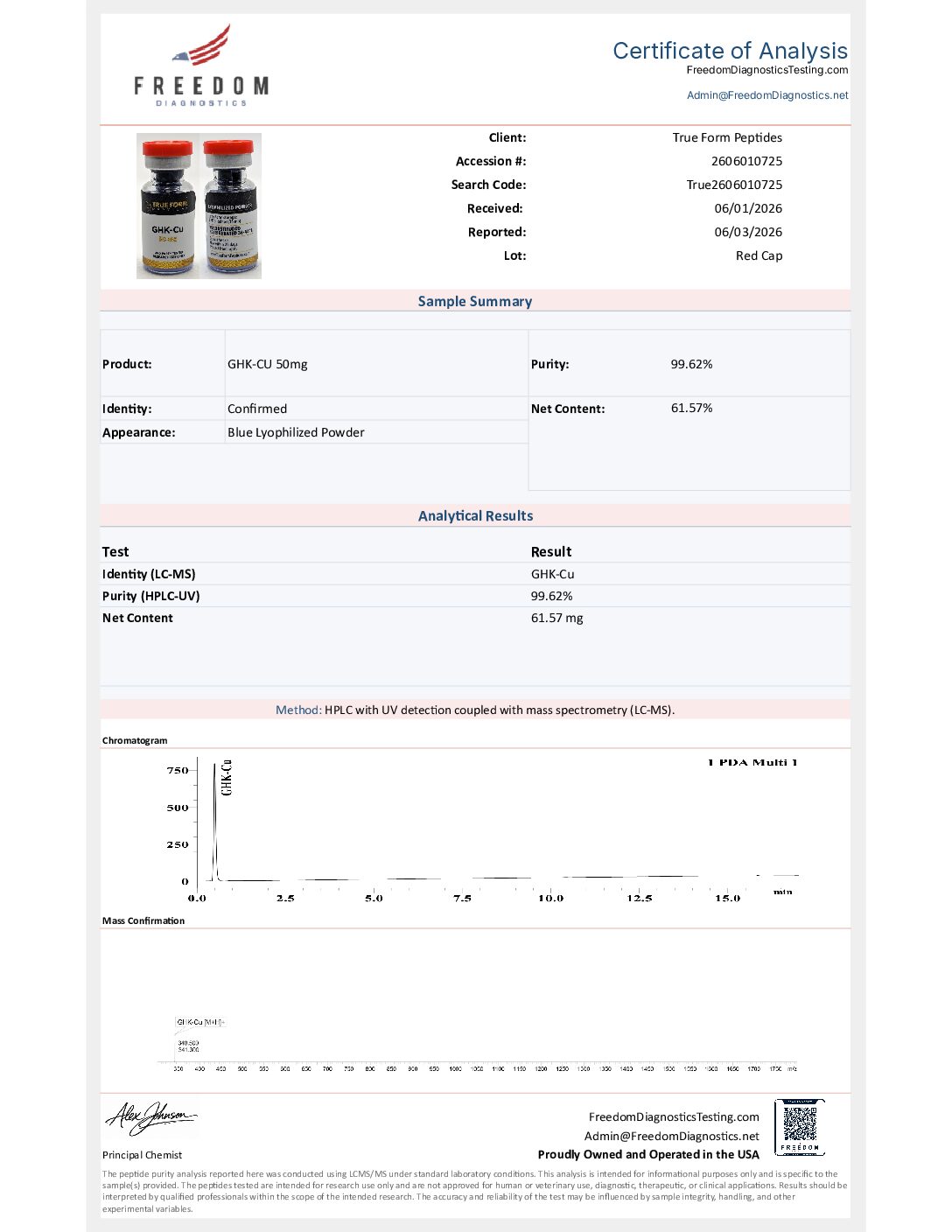
GHK-Cu is a synthetic copper-binding tripeptide composed of glycyl-L-histidyl-L-lysine (GHK) complexed with a divalent copper ion (Cu²⁺). In controlled laboratory research environments, GHK-Cu is widely studied for its role in peptide-mediated signaling, copper-dependent molecular regulation, and cellular communication pathways.
Research models frequently examine GHK-Cu for its interactions with growth factor signaling, extracellular matrix regulation, and gene expression pathways influenced by copper availability. Due to its strong affinity for copper ions, GHK-Cu is commonly utilized in in-vitro and biochemical studies exploring cellular remodeling, peptide-metal interactions, and regulatory mechanisms associated with tissue structure and cellular adaptation.
In experimental research settings, GHK-Cu serves as a valuable tool for investigating copper-dependent signaling processes, peptide-regulated cellular activity, and molecular pathways involved in structural and regenerative biological models.
Scientific References:
- Dou Y, Lee A, Zhu L, Morton J, Ladiges W.,
Aging Pathobiology and Therapeutics, 2020; 2(1):58–61 –
The potential of GHK as an anti-aging peptide
- Mortazavi SM, Mohammadi Vadoud SA, Moghimi HR.,
BioImpacts, 2024; 15:30071 –
Topically applied GHK as an anti-wrinkle peptide: advantages, problems and prospective
- Pickart L, Vasquez-Soltero JM, Margolina A.,
BioMed Research International, 2015; 2015:648108 –
GHK peptide as a natural modulator of multiple cellular pathways in skin regeneration
Disclaimer:
This product is intended for laboratory research use only (RUO).
Not for human consumption. Not for therapeutic, diagnostic, agricultural, or veterinary use.